
Ledger.com/Start® — Getting Started with Ledger Live™
Ledger.com/start to prepare your wallet and learn about account management, asset tracking, balance monitoring, and supported crypto transactions.
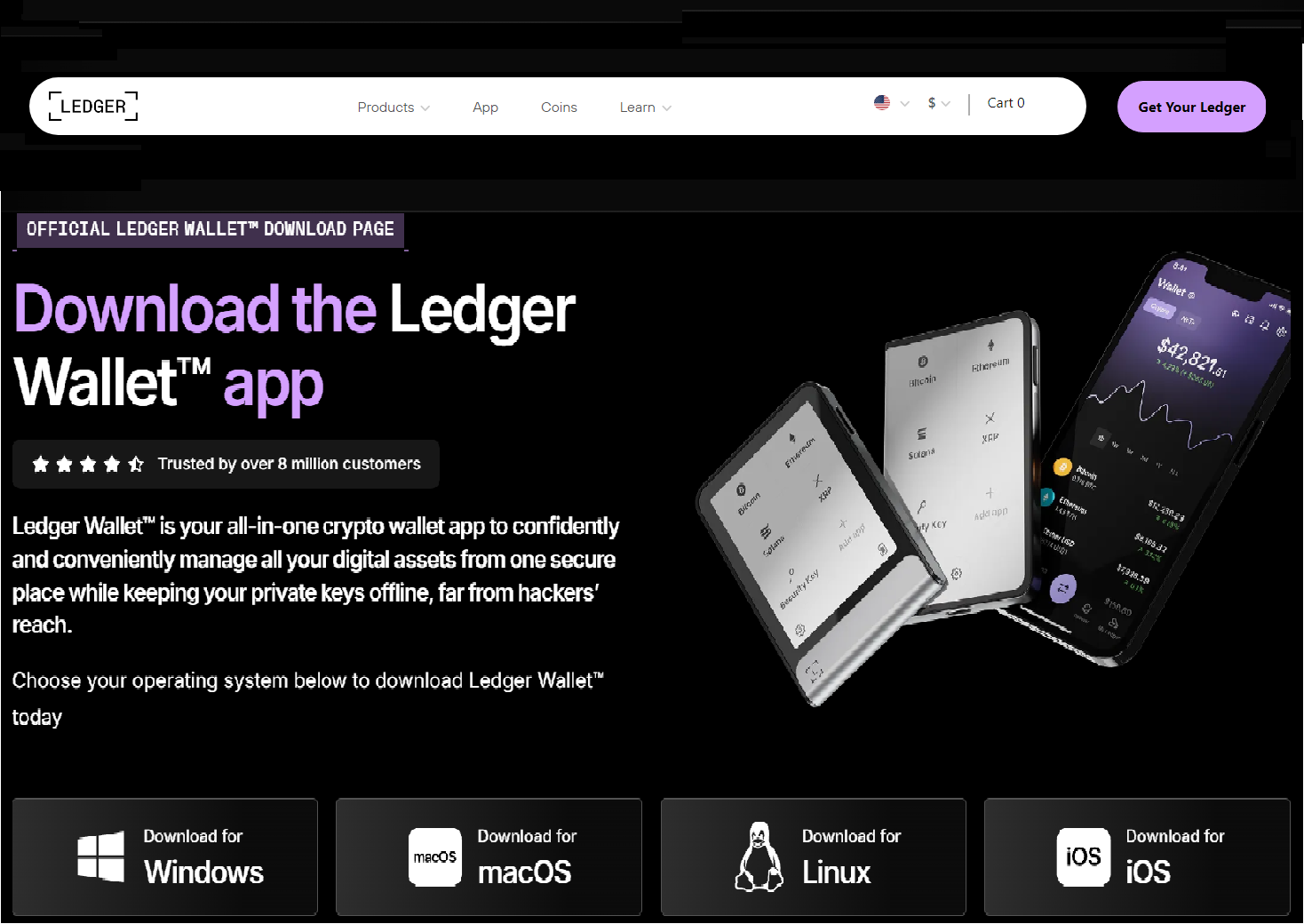
Ledger.com/start: From First Setup to Confident Everyday Crypto Wallet Management
The first experience with a hardware wallet can raise many questions. Where should setup begin? What information should remain private? How should a first transaction be reviewed? What should you do when an unexpected message appears? Ledger.com/start can provide a starting point for answering these questions while helping new users develop a practical approach to wallet management.
Think Beyond the Initial Installation
Wallet setup is only one part of owning a hardware wallet. After the initial process, you will still need to understand accounts, balances, addresses, transactions, and security practices.
For that reason, treat setup as the beginning of a learning process rather than the final destination.
Before starting, prepare a trusted computer and give yourself enough time to read instructions carefully.
Verify Your Starting Source
A secure workflow begins with using trustworthy information. When you are ready to begin, navigate independently to Ledger.com/start instead of relying blindly on a link sent by another person.
This habit can reduce the chance of following an impersonation page.
Be especially careful with urgent messages claiming that your wallet has been blocked, compromised, or requires immediate verification. If you receive such a message, verify the situation independently before taking action.
Learn the Wallet Vocabulary
New cryptocurrency users often encounter unfamiliar terms during setup and regular use. Understanding basic terminology can make wallet management less intimidating.
A wallet account helps organize digital assets and transaction activity. A receiving address can be used to receive cryptocurrency. Transaction details describe an outgoing or incoming transfer.
Recovery information has a different role and should be treated as highly confidential.
Learning these distinctions early can prevent confusion later.
Review Information on the Device
When using a hardware wallet for important actions, pay attention to information shown on the device itself. Do not automatically approve a transaction simply because the computer screen appears correct.
Compare the relevant information and confirm that the transaction matches what you intended.
If you see something unexpected, pause instead of continuing automatically.
Approach Your First Transfer Carefully
Your first transfer does not need to be complicated. If you are learning how sending works, make sure you understand the asset and network involved before proceeding.
Check the destination carefully and confirm the amount.
If appropriate for your situation, learning with a smaller transfer can help you become familiar with the process before handling more substantial amounts.
The objective is to understand each stage rather than simply finish quickly.
Keep a Clear Record of Your Activity
Good organization can make wallet management easier over time. Pay attention to transaction history and learn how incoming and outgoing activity is represented.
If you use several accounts or assets, make sure you understand why each one exists. Avoid creating unnecessary complexity until you are comfortable with the basic structure of your wallet.
Keeping your wallet environment understandable can also make unusual activity easier to notice.
Know How to React to Suspicious Requests
A common mistake among beginners is assuming that every support-style message is genuine.
Legitimate-looking messages can still be misleading. Never provide confidential recovery information because an online contact claims to be a representative, technician, or support agent.
If assistance is needed, independently locate the appropriate support information rather than following instructions from an unsolicited message.
Establish a Regular Review Habit
You can improve your wallet routine by periodically checking how you use it. Ask yourself whether you are consistently verifying transaction details, protecting confidential information, and using trusted sources.
These habits do not need to be complicated. Consistency is more useful than creating an elaborate routine that you will not follow.
Keep Learning Gradually
Cryptocurrency wallets involve concepts that may take time to understand. Instead of trying to master every feature immediately, focus first on setup, account organization, receiving, sending, and security fundamentals.
Once those areas become familiar, you can explore additional functionality at your own pace.
Conclusion
The journey that begins at Ledger.com/start does not end when setup is complete. It continues through everyday wallet management, transaction verification, security awareness, and ongoing learning.
By starting with a trusted source, understanding the difference between public and confidential information, checking transactions carefully, and responding cautiously to unexpected requests, new users can establish a more organized approach to managing digital assets.
Updated about 4 hours ago