
Ledger.com/Start® | Getting started®™ — Ledger Support
Ledger.com/start gives you a practical route to hardware wallet setup with guidance for connecting your device, managing accounts, and tracking digital assets.
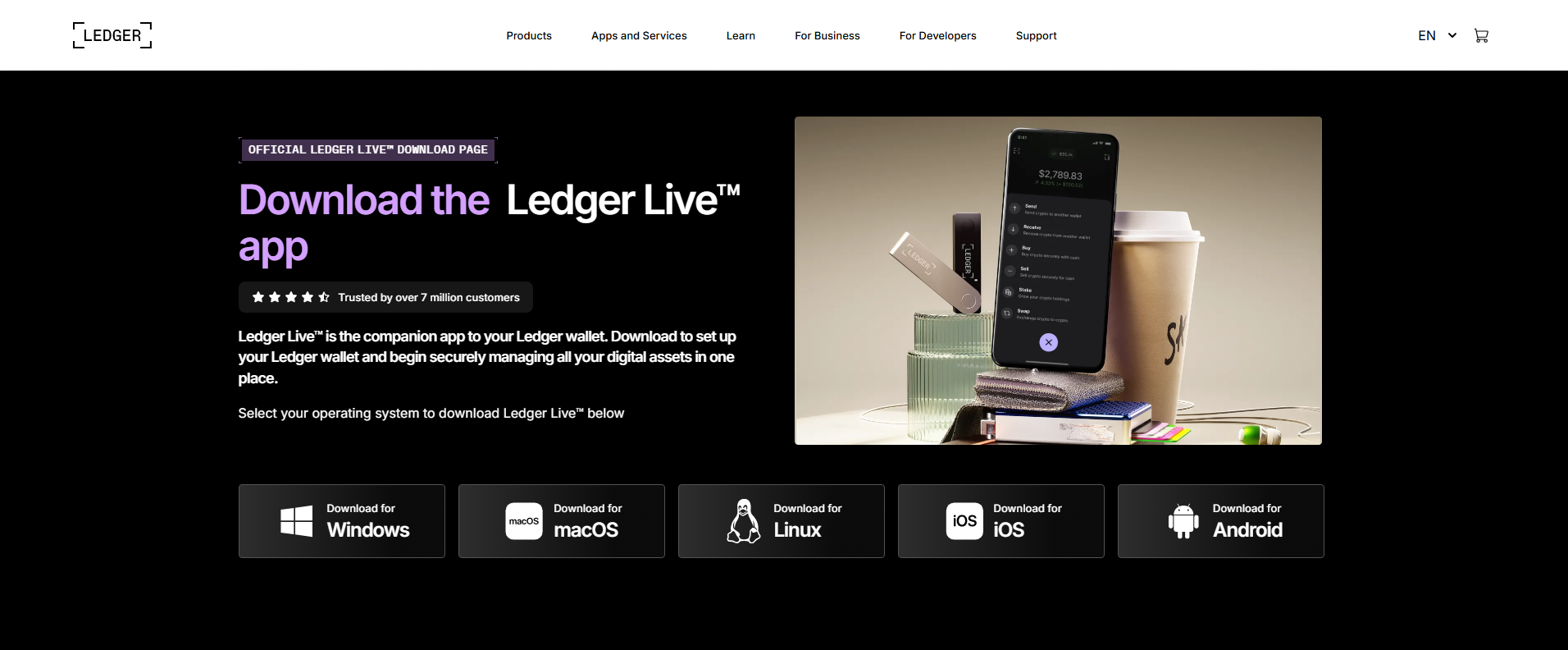
Ledger.com/start: A Beginner’s Guide to Safer Wallet Sessions and Smarter Transaction Checks
Every wallet session presents an opportunity to practice better cryptocurrency management. Whether you are checking an account, receiving funds, or preparing an outgoing transaction, a few consistent checks can make the process more organized. For new users, Ledger.com/start can provide a starting point for learning how to approach wallet setup and develop practical habits afterward.
Begin Every Session With Source Awareness
Before accessing wallet-related software or information, think about where the instructions came from.
For setup guidance, use Ledger.com/start as a trusted starting point rather than following random links found online.
Be particularly cautious when an unexpected message directs you to a wallet-related website. A familiar logo or professional-looking page does not by itself establish authenticity.
If you are unsure, navigate independently to a trusted source.
Make Your Computer Part of Your Security Routine
The environment surrounding your wallet matters.
Use a computer that you control and avoid performing important wallet activities on public machines. Be careful about unfamiliar software, browser extensions, or downloads.
Keeping your computer environment familiar can make unusual behavior easier to notice.
You do not need an elaborate setup. Consistency and awareness are often more practical than unnecessary complexity.
Review Before You Interact
Before opening an unfamiliar link or approving a wallet action, take a moment to identify what you are actually being asked to do.
Ask yourself:
- Did I initiate this action?
- Do I recognize the website or application?
- Does the requested information make sense?
- Am I being pressured to act immediately?
If the answer to any of these questions is unclear, pause and verify the situation.
Keep Recovery Information Completely Separate
One of the clearest wallet-management rules is to distinguish public information from confidential information.
A public receiving address can be shared when necessary. Recovery information should remain private.
Do not enter confidential recovery information into websites that request it unexpectedly. Do not send it to customer-service accounts through social media or messaging platforms.
If someone claims that they need your recovery information to restore, synchronize, or unlock your wallet, independently verify the request before doing anything.
Develop a Transaction Review Checklist
Transaction verification should become a normal part of your wallet workflow.
Before sending cryptocurrency, check the intended asset and network. Then review the recipient and amount.
Pay attention to transaction details displayed during the confirmation process. If the information does not match your intention, do not approve the transaction.
A repeatable checklist can be especially useful when you are busy or handling multiple transactions.
Avoid Relying on Memory
Many wallet mistakes happen when users assume that previously used information is still correct.
Instead of relying on memory, verify important information each time.
This applies to receiving addresses, destinations, networks, and amounts. A familiar workflow should make verification easier, not eliminate the need for it.
Separate Learning From Important Transactions
If you are unfamiliar with a wallet feature, learn about it before using it with significant funds.
Read appropriate documentation and understand what the feature is designed to do.
Avoid experimenting simply because an option is visible. Understanding should come before action.
Keep Account Management Simple
If you use multiple assets or accounts, maintain an organization system that makes sense to you.
Know which accounts you use regularly and understand the purpose of each one.
Unnecessary complexity can make wallet information harder to interpret, so add new structures only when they serve a clear purpose.
Respond Carefully to Urgent Messages
A message claiming that your wallet is at immediate risk can create pressure to act quickly.
Instead of responding immediately, stop and independently verify the claim.
Do not click suspicious links or provide confidential information. Use trusted sources to determine whether there is actually an issue.
Build a Repeatable Routine
A practical wallet routine might look like this:
Verify → Review → Confirm → Record → Exit.
Verify the source, review the wallet or transaction details, confirm only when everything matches, keep appropriate records, and close the session when finished.
The exact routine can vary, but the principle remains the same: deliberate actions are preferable to rushed decisions.
Conclusion
The journey beginning at Ledger.com/start can become easier when wallet sessions follow a consistent process. Use trusted sources, maintain a familiar computer environment, protect recovery information, verify transaction details, and investigate unexpected requests independently.
By turning these practices into routine steps, new users can build a clearer and more disciplined approach to everyday hardware-wallet management.
Updated about 4 hours ago