
Ledger.com/Start® | Getting started®™ — Ledger Support
Explore Ledger.com/start to begin wallet configuration and discover resources for managing crypto accounts, reviewing holdings, monitoring balances, and activity.
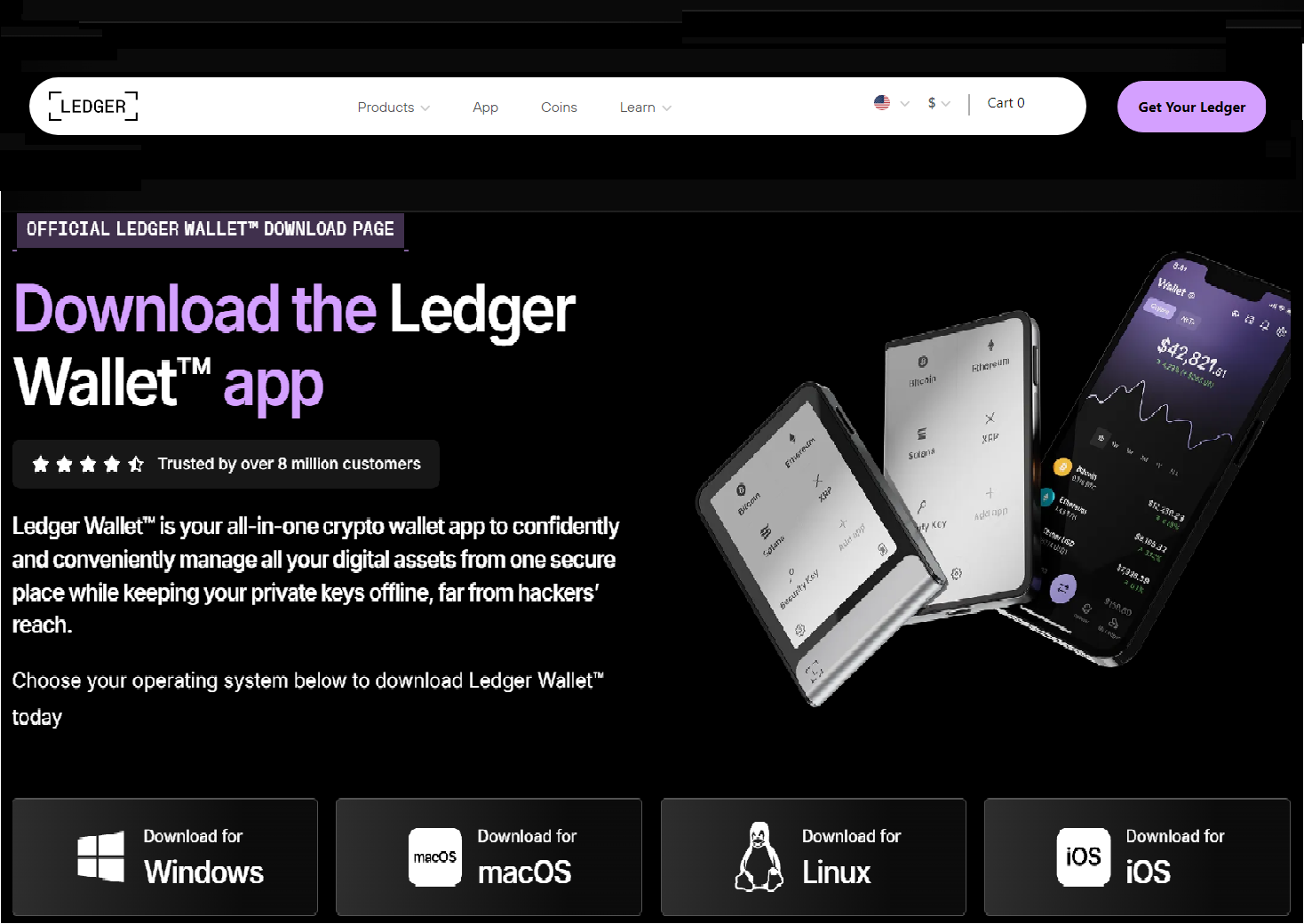
Ledger.com/start: What to Check Before, During, and After Your Ledger Wallet Setup
Setting up a hardware wallet is easier when the process is divided into three practical stages: what you should check before starting, what deserves attention during setup, and what you should review afterward. This approach helps new users understand that wallet security is an ongoing process rather than a single installation step. Ledger.com/start can be used as a starting point for this journey.
Before You Begin: Prepare Carefully
Preparation can prevent many avoidable problems.
Start by choosing a trusted computer and a private environment. Avoid performing sensitive wallet activities on public computers or devices that you do not control.
Next, verify your source. Instead of relying on links received through social media, email, advertisements, or online forums, navigate independently to Ledger.com/start.
Take a moment to understand what you are about to do. If an instruction seems unclear, do not guess.
During Setup: Read Before Confirming
Once the setup begins, avoid treating every screen as something to click through quickly.
Read the instructions and pay attention to information displayed during important steps. When the hardware wallet asks you to review or confirm something, make sure you understand what you are approving.
If information appears inconsistent or unexpected, pause before continuing.
The initial setup is also a good opportunity to learn the difference between normal wallet information and sensitive recovery information.
Protect Recovery Information From the Start
Recovery information deserves special handling throughout the entire wallet lifecycle.
Keep it private and avoid exposing it to websites, applications, online contacts, or people claiming to provide technical support.
Do not photograph sensitive recovery information and upload the image to cloud storage. Avoid sending it through messaging applications or storing it in ordinary digital notes.
A request for recovery information should be treated as a serious warning sign, particularly when it comes from an unexpected source.
After Setup: Learn Your Wallet
Once setup is complete, do not feel pressured to immediately perform a large transaction.
Instead, explore the basic wallet environment. Learn how accounts are displayed, how balances appear, and where transaction information can be reviewed.
Understanding the normal appearance of your wallet can help you identify unusual information later.
Check Receiving Details
If you plan to receive cryptocurrency, confirm the intended account and asset before sharing a receiving address.
Review the address carefully and ensure that the network or asset requirements are appropriate for the transaction.
After receiving funds, check the transaction information and become familiar with how the transfer appears in your wallet.
Review Every Outgoing Transaction
Before sending cryptocurrency, create a simple checklist.
Confirm:
- The intended asset
- The appropriate network
- The destination address
- The amount
- Any relevant transaction details
- The final confirmation information
Do not rely solely on what appears on your computer screen. Read important confirmation information on the hardware device as well.
Know What to Do When Something Looks Wrong
If a message, website, transaction, or wallet instruction seems unusual, stop.
Do not respond to pressure by providing confidential information or approving an unfamiliar action.
Instead, independently locate trusted documentation or official support resources and verify the situation.
This simple pause-and-check habit can be useful in many different circumstances.
Maintain the Wallet Environment
Long-term management also involves keeping your wallet environment organized.
Use trusted software sources, keep your computer reasonably secure, and avoid installing unknown applications that could interfere with your normal workflow.
If you manage multiple assets or accounts, understand why each one is being used rather than creating unnecessary complexity.
Keep Improving Your Knowledge
Wallet management becomes easier as your familiarity grows. Continue learning about the cryptocurrency networks and transaction concepts that are relevant to your activities.
You do not need to understand every advanced feature immediately. Build your knowledge progressively and avoid experimenting with important funds when you do not understand the outcome.
Conclusion
The Ledger.com/start journey can be viewed as more than an initial setup. Before starting, prepare your environment and verify your source. During setup, read instructions carefully and protect recovery information. Afterward, learn your accounts, understand receiving and sending, and develop a consistent verification routine.
Taking these stages one at a time can help create a clearer and more organized approach to everyday hardware-wallet management.
Updated about 4 hours ago