
Ledger.com/Start® — Getting Started with Ledger Live™
Ledger.com/start to prepare your hardware wallet and explore guidance for account setup, asset management, balance reviews, and transfers.
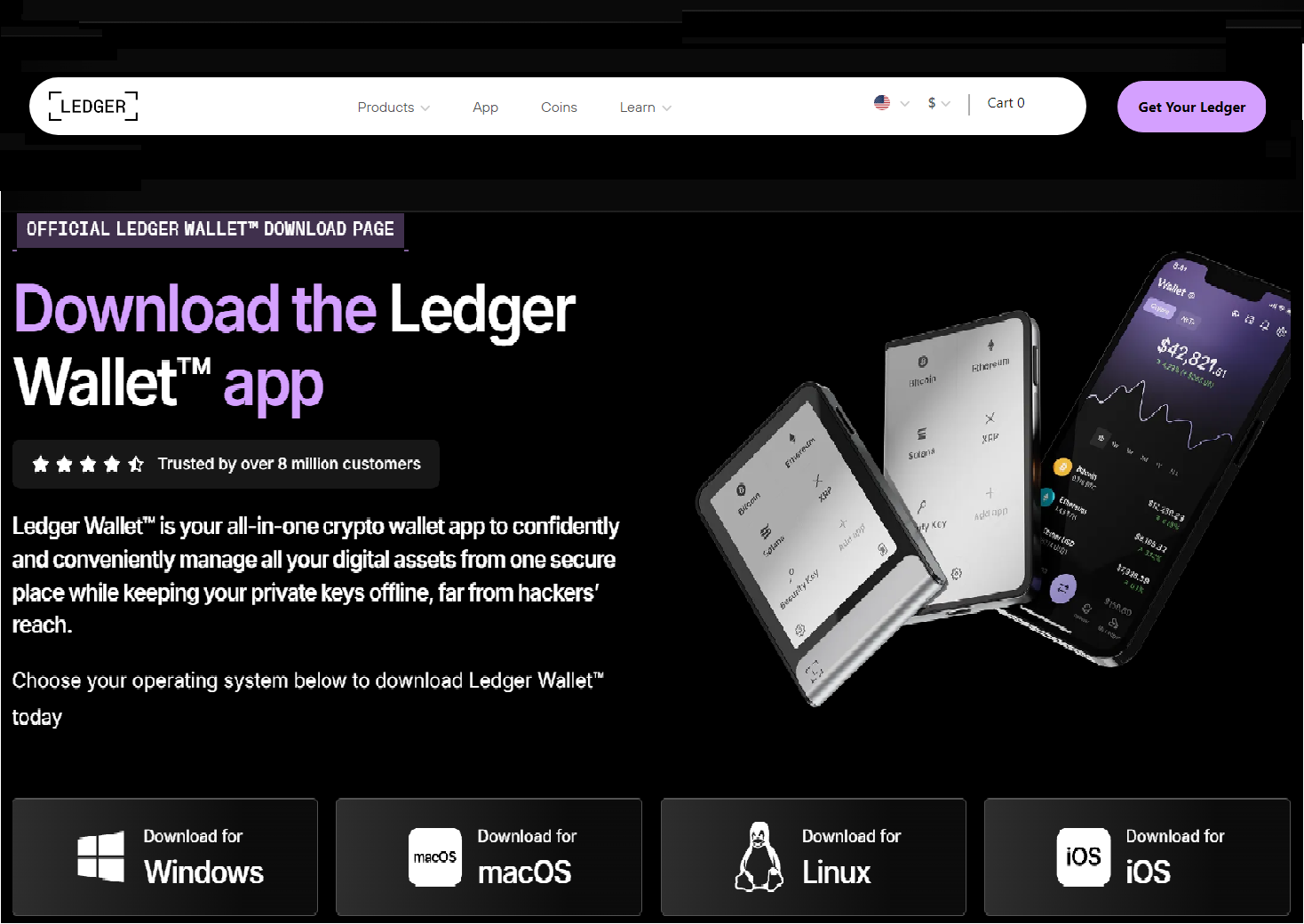
Ledger.com/start: How to Move From Wallet Setup to Everyday Crypto Management
Completing a wallet setup is only the beginning of learning how to manage cryptocurrency. After the initial process, users need to understand accounts, receiving addresses, transactions, and basic security habits. Ledger.com/start can serve as a starting point for users who want to move from setup toward a more organized everyday wallet routine.
Complete Setup Without Rushing
Start by giving yourself enough time to follow the setup instructions carefully. Use a trusted computer and avoid working through sensitive steps while distracted.
If an instruction seems unusual, pause and verify it before proceeding.
Understand Your Wallet Information
Once the initial setup is complete, become familiar with the information associated with your wallet. Learn how accounts and assets are displayed and how transaction history can be reviewed.
Understanding your normal wallet activity can make unfamiliar activity easier to identify.
Know What You Can Share
One of the most important beginner lessons is understanding the difference between public and private information.
A public receiving address may be provided to someone who wants to send cryptocurrency. Recovery information is private and should never be shared.
Keeping these categories separate can help prevent accidental disclosure.
Prepare for Your First Receive
Before receiving cryptocurrency, confirm that you are using the appropriate account and asset. Carefully check the receiving information before providing it to another person or service.
After funds arrive, review the transaction information rather than assuming that everything has been processed exactly as expected.
Prepare for Your First Send
Sending cryptocurrency requires additional verification. Check the destination address, asset, network, and amount before approving the transaction.
If the transaction details do not match your intention, do not continue until you understand the difference.
Avoid Unverified Assistance
New users may encounter messages claiming that their wallet requires immediate verification or technical assistance. Treat unexpected requests cautiously, especially when they involve links, software downloads, or private information.
Return to a trusted official source to verify the situation independently.
Establish a Repeatable Routine
A straightforward routine can help make wallet management consistent:
Check → Understand → Verify → Confirm.
Check the account, understand the action you are about to take, verify the important details, and confirm only when everything matches.
Keep Learning at Your Own Pace
Cryptocurrency wallets can include features that beginners do not need immediately. Focus first on the functions you use most often.
As your understanding grows, you can learn about additional features, networks, fees, and account organization.
Final Thoughts
Ledger.com/start can provide a useful foundation for moving from initial hardware wallet setup into everyday cryptocurrency management. The process becomes easier when you learn gradually, protect sensitive information, and make transaction verification part of your routine.
Careful habits established during the early stages can remain useful as your wallet experience develops.
Updated about 5 hours ago